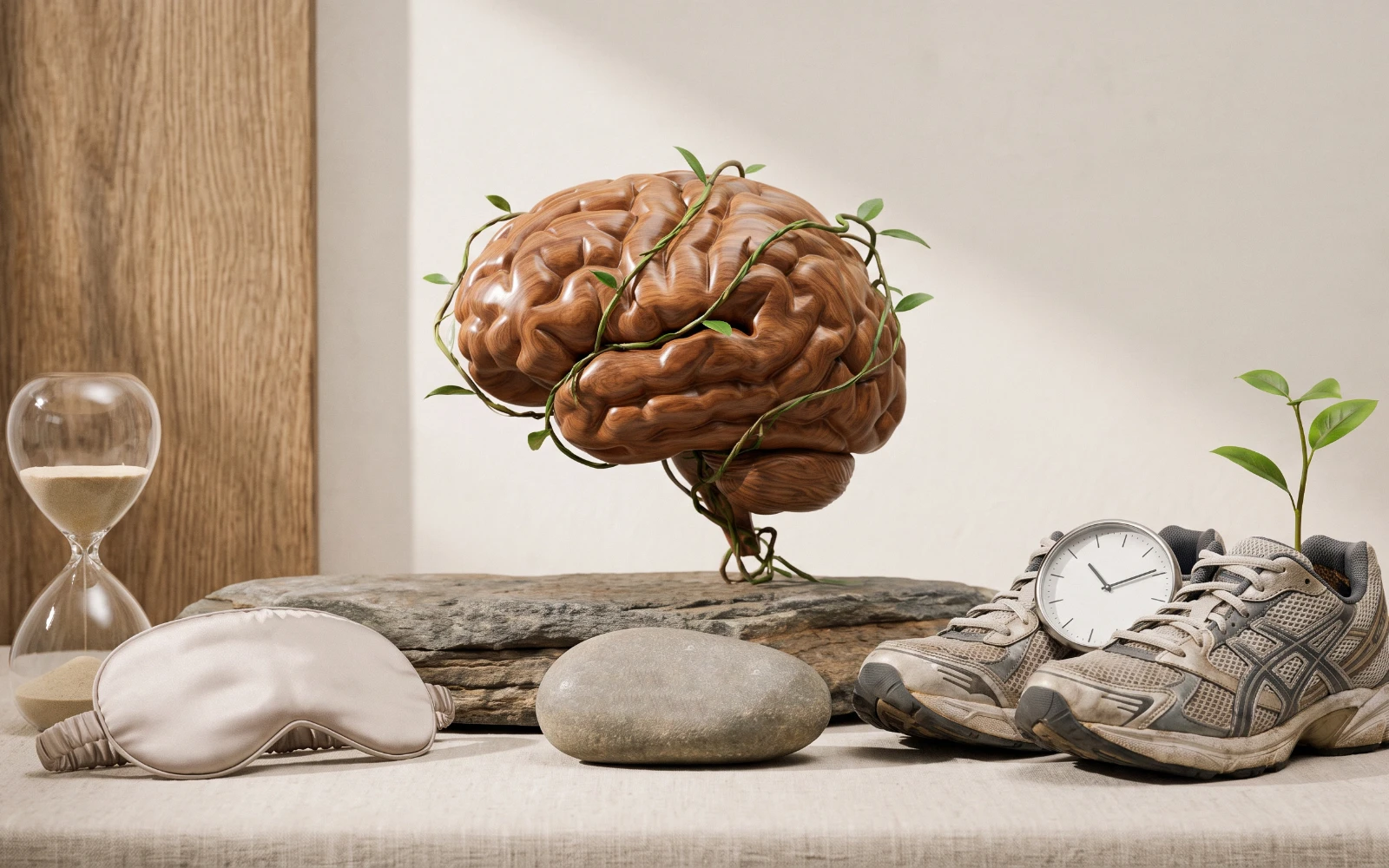
Regular physical activity is one of the most effective lifestyle habits for supporting overall health throughout life. Beyond improving muscles and cardiovascular fitness, exercise also plays an important role in maintaining brain function, promoting better sleep, reducing stress, and supporting healthy aging.
Whether you enjoy walking, strength training, cycling, swimming, or yoga, consistent movement provides benefits that extend far beyond physical appearance. Even moderate exercise performed regularly can contribute to long-term wellness and a higher quality of life.
This guide explains how physical activity supports brain health, helps manage stress, improves sleep quality, and explores the best types of exercise for healthy aging.
▹ Physical activity and brain function
Exercise increases blood circulation throughout the body, including the brain. Healthy circulation helps deliver oxygen and nutrients while supporting cognitive performance, concentration, learning, and memory. Regular movement is also associated with maintaining overall brain health as people age.
| Brain Function | How Exercise Helps |
|---|---|
| Memory | Supports healthy cognitive performance. |
| Focus | May improve concentration during daily activities. |
| Learning | Encourages healthy brain function. |
| Mood | Supports emotional well-being. |
| Healthy aging | Helps maintain long-term brain health. |
▹ Why movement benefits the brain
Physical activity challenges both the body and the nervous system. Coordinated movements, balance exercises, and aerobic activities encourage communication between different areas of the brain while supporting overall neurological health.
| Activity | Main Benefit |
|---|---|
| Walking | Supports circulation and mental clarity. |
| Strength training | Challenges coordination and balance. |
| Yoga | Combines movement with mindfulness. |
| Cycling | Improves cardiovascular fitness. |
| Dancing | Engages memory and coordination. |
▹ Exercise for stress reduction
Exercise is widely recognized as an effective way to manage everyday stress. Physical activity provides an opportunity to step away from work, screens, and daily responsibilities while encouraging relaxation after movement.
Many people notice improvements in mood after even a short walk or workout because movement promotes a sense of accomplishment and supports overall emotional balance.
| Exercise Type | Stress-Relief Benefit |
|---|---|
| Walking | Provides gentle relaxation and mental refreshment. |
| Running | Helps release physical tension. |
| Strength training | Improves confidence and resilience. |
| Yoga | Combines breathing with gentle movement. |
| Swimming | Encourages full-body relaxation. |
▹ How movement improves sleep quality
Regular physical activity can help establish a healthier daily rhythm. People who stay active often find it easier to relax in the evening and maintain consistent sleep habits. While vigorous exercise is usually best performed earlier in the day, gentle evening activities such as stretching or walking may also support relaxation.
| Movement Habit | Sleep Benefit |
|---|---|
| Morning walk | Supports a consistent daily routine. |
| Regular exercise schedule | Encourages predictable sleep patterns. |
| Light evening stretching | Promotes relaxation before bedtime. |
| Outdoor activity | Provides exposure to natural daylight. |
| Daily movement | Supports overall physical recovery. |

▹ Best types of exercise for healthy aging
A balanced fitness routine includes more than one type of exercise. Combining aerobic activity, strength training, flexibility exercises, and balance training helps support overall physical function while reducing the risk of inactivity-related health problems.
| Exercise Type | Main Benefit | Recommended Frequency |
|---|---|---|
| Walking | Supports cardiovascular health and endurance. | Most days of the week |
| Strength training | Maintains muscle mass and bone strength. | 2–3 times weekly |
| Stretching | Improves flexibility and mobility. | Daily |
| Balance exercises | Supports stability and coordination. | 2–3 times weekly |
| Yoga or Pilates | Combines strength, flexibility, and mindfulness. | 1–3 times weekly |
▹ Building a sustainable fitness routine
The best exercise program is one you can maintain consistently. Rather than focusing on perfection, aim to create realistic habits that fit comfortably into your schedule. Small amounts of regular activity are often more sustainable than occasional intense workouts.
| Habit | Benefit |
|---|---|
| Schedule workouts | Creates consistency. |
| Choose enjoyable activities | Improves long-term motivation. |
| Start gradually | Reduces the risk of overtraining. |
| Track progress | Helps maintain motivation. |
| Include recovery days | Supports physical adaptation. |
▹ Weekly activity recommendations
A balanced weekly routine combines different forms of movement to support cardiovascular fitness, muscular strength, flexibility, and recovery. Adjust the duration and intensity according to your personal fitness level and health goals.
| Day | Suggested Activity |
|---|---|
| Monday | 30-minute brisk walk + stretching. |
| Tuesday | Strength training session. |
| Wednesday | Light walk or yoga. |
| Thursday | Strength training + balance exercises. |
| Friday | Walking or cycling. |
| Weekend | Outdoor activity, hiking, swimming, or recreational sports. |
▸ Frequently Asked Questions
How much exercise do adults need each week?
Many health organizations recommend combining regular aerobic activity with strength training and flexibility exercises throughout the week.
Can exercise improve brain health?
Regular physical activity supports healthy circulation, cognitive function, concentration, and overall brain health as part of a healthy lifestyle.
Does exercise help reduce stress?
Yes. Physical activity can help relieve everyday stress, improve mood, and promote emotional well-being through regular movement.
Which exercises are best for healthy aging?
A combination of walking, strength training, stretching, balance exercises, and flexibility work provides a well-rounded approach to healthy aging.
Can regular exercise improve sleep quality?
Maintaining a consistent exercise routine may support healthier sleep patterns, improve relaxation, and contribute to better overall recovery.
Regular exercise is one of the most valuable long-term investments in your health. Consistent movement supports brain function, reduces everyday stress, improves sleep quality, strengthens muscles and bones, and promotes healthy aging. By combining aerobic exercise, resistance training, flexibility work, and adequate recovery, you can build a sustainable fitness routine that supports both physical and mental well-being for years to come.
How Regular Exercise Supports Brain Health, Better Sleep, and Longevity