NUTRITION TIPS


Low-Carb NutritionLow-carb eating can help with weight management, reduce hunger, and provide steady energy throughout the day without causing sharp blood sugar spikes. Read More |

Intermittent FastingLow-carb eating helps manage weight, reduce appetite, and maintain steady energy levels throughout the day without sudden spikes and crashes. Read More |

Nutrition for EnergyA balanced diet that supports energy, focus, and mental clarity, sustained high productivity every day without fatigue, low energy, stress, or chronic tension. Read More |
▸ Nutrition Tips for Health, Energy, and Weight Management
Proper nutrition is the foundation of good health, high performance, and maintaining a healthy weight. Today there are many different approaches to eating, but the main goal remains the same — to provide the body with essential nutrients. If you are looking for practical nutrition tips, it’s important to understand that there is no one-size-fits-all diet. Your eating plan should match your age, activity level, and individual needs.
▹ Why Nutrition Tips Matter
Practical nutrition advice helps avoid common mistakes such as overeating, vitamin deficiencies, and excessive sugar intake. A balanced diet supports heart health, improves digestion, and strengthens the immune system.
Key recommendations include eating plenty of fruits and vegetables, getting enough protein, limiting refined carbohydrates, and staying well hydrated. These basic nutrition tips work for most people and help build healthy long-term habits.
▹ Low-Carb Eating
One popular approach in modern nutrition is reducing carbohydrate intake. A low-carb diet involves limiting sugar, sweets, baked goods, and other foods high in refined carbs.
The diet typically includes meat, fish, eggs, vegetables, nuts, healthy fats, and dairy products. This approach can help control appetite, stabilize blood sugar levels, and support weight loss. Many experts consider low-carb eating an effective strategy for improving overall diet quality.
▹ Intermittent Fasting
Another widely discussed nutrition strategy is intermittent fasting. It involves alternating periods of eating with periods of fasting. One of the most popular methods is the 16/8 schedule.
Intermittent fasting can help control calorie intake and may support weight loss. However, it is still important to focus on nutrient-dense, healthy foods during eating windows.
▹ Nutrition for Energy
Another key category is nutrition for energy and productivity. The body needs protein, healthy fats, complex carbohydrates, vitamins, and minerals to stay energized.
Good sources of energy include eggs, fish, nuts, whole grains, leafy greens, and vegetables. Meal regularity and proper hydration are also essential. A balanced diet helps prevent fatigue, improves focus, and supports daily performance.
▹ Best Daily Nutrition Tips
To improve your diet, consider the following:
- eat more vegetables and leafy greens;
- choose whole, natural foods;
- limit sugar and sugary drinks;
- maintain a regular eating schedule;
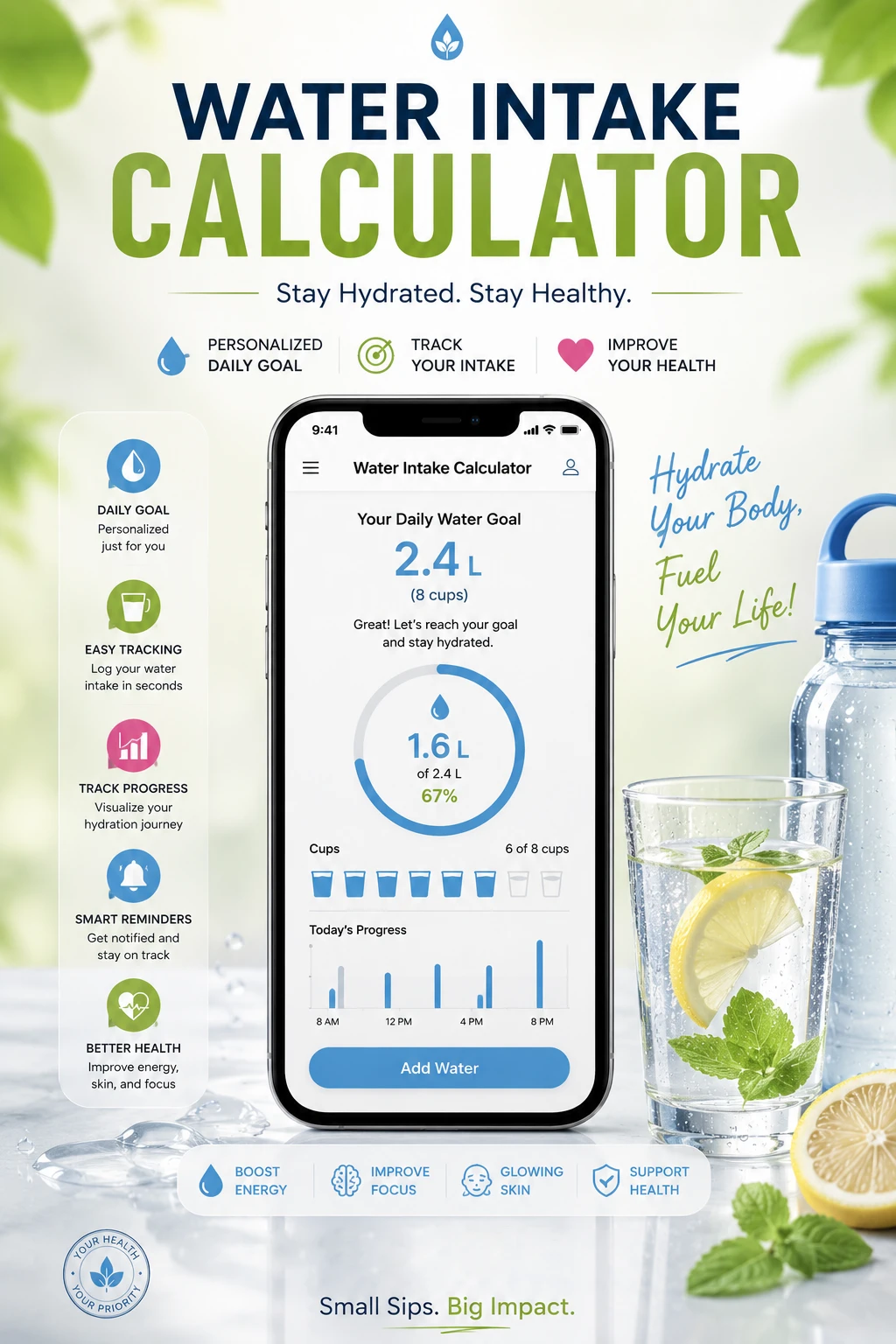
- drink enough water;
- control portion sizes;
- include high-quality protein sources.
Following these nutrition tips can improve overall health, increase energy levels, and create a strong foundation for a long and active life.
Nutrition tips help build healthy eating habits and create a more balanced diet. Whether you are interested in low-carb eating, intermittent fasting, or energy-focused nutrition, it’s important to choose an approach that fits your goals and lifestyle. Consistently following healthy eating principles supports better health, optimal weight, and daily well-being.