Choosing the right supplements can be confusing, especially with thousands of products promising better energy, stronger immunity, improved sleep, or healthy aging. For most people, supplements should complement a balanced diet rather than replace nutritious food and healthy lifestyle habits.
Understanding when supplements may actually be useful, how to read a Supplement Facts label, and how to evaluate quality can help you make smarter purchasing decisions and avoid unnecessary products.
This beginner's guide explains what to look for when buying vitamins and supplements, how dosage and serving size work, and which common mistakes are worth avoiding.
▹ Do you really need supplements?
Not everyone needs dietary supplements. A varied diet that includes vegetables, fruits, whole grains, protein-rich foods, healthy fats, and other nutrient-dense foods can provide many of the vitamins and minerals the body needs.
However, supplements may be useful when a person's diet does not provide enough of a specific nutrient or when individual circumstances increase nutritional needs. Age, dietary restrictions, pregnancy, certain medical conditions, and some medications can affect nutrient requirements or absorption.
The goal should not be to take as many supplements as possible. A better approach is to identify a specific nutritional need and choose a product that addresses that need without unnecessary ingredients or excessive doses.
| Situation | What to Consider |
|---|---|
| Balanced diet | A supplement may not be necessary if nutritional needs are adequately met through food. |
| Restricted diet | Certain nutrients may require additional attention depending on the foods excluded. |
| Known nutrient deficiency | Targeted supplementation may be recommended by a healthcare professional. |
| Increased nutritional needs | Age, pregnancy, lifestyle, or other factors may change nutrient requirements. |
| Medication use | Some supplements can interact with medications, so professional guidance may be appropriate. |
▹ How to read a Supplement Facts label
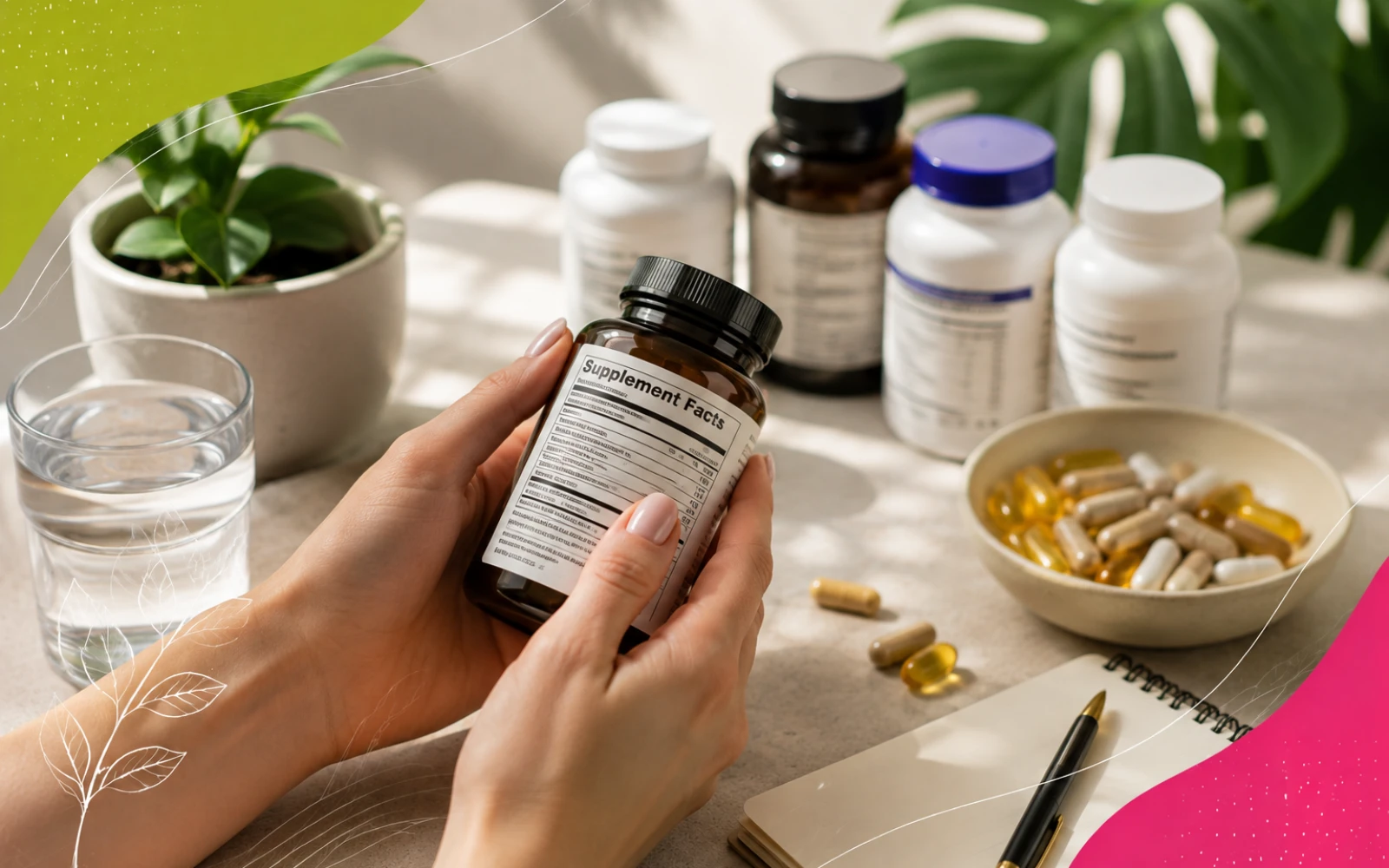
The Supplement Facts panel provides important information about what is actually contained in a product. Instead of focusing only on marketing claims on the front of the bottle, check the label carefully before purchasing.
Pay particular attention to the serving size, amount per serving, ingredients, and the number of servings in the container. A product that appears inexpensive may contain fewer servings or a smaller amount of the active ingredient than another product.
| Label Section | What It Tells You |
|---|---|
| Serving Size | Shows how much of the product counts as one serving. |
| Amount Per Serving | Shows how much of each listed nutrient or ingredient is provided. |
| Ingredients | Lists the dietary ingredients included in the product. |
| Other Ingredients | May include capsules, fillers, flavors, colors, or other inactive ingredients. |
| Servings Per Container | Shows approximately how many servings are included in the package. |
▹ Dosage and serving size
One of the most common supplement-buying mistakes is confusing the serving size with the amount of an ingredient. For example, a label may list a serving as two capsules, meaning that the amounts shown on the label apply to both capsules together.
Always compare products based on the amount of the relevant nutrient or active ingredient per serving rather than simply comparing the number of capsules or tablets.
Higher doses are not automatically better. Some vitamins and minerals can cause adverse effects when consumed in excessive amounts, and certain supplements may interact with medications. Follow the product directions and consider professional guidance when a specific dosage is needed.
| What to Compare | Why It Matters |
|---|---|
| Serving size | Determines how much product provides the listed amounts. |
| Active ingredient amount | Allows meaningful comparison between different products. |
| Number of servings | Helps determine the actual value of the package. |
| Daily directions | Shows how the manufacturer recommends using the product. |
▹ Quality, testing, and ingredient transparency
Supplement quality can vary significantly between products. Look for manufacturers that provide clear ingredient information and follow appropriate manufacturing and quality-control practices.
Independent testing can provide additional information about whether a product contains the ingredients and quantities stated on its label and whether it meets certain quality standards. In the United States, examples of third-party certification organizations include USP, NSF, and ConsumerLab. Certification or testing does not mean that a supplement is necessary or effective for every person, but transparent quality information can make comparison easier.
Be cautious of products that rely heavily on dramatic promises such as instant weight loss, guaranteed anti-aging effects, or immediate improvements in energy. A transparent label with clearly identified ingredients is generally more useful than an impressive marketing claim.
▹ Common supplement-buying mistakes
Buying supplements based only on advertising can lead to unnecessary spending and excessive nutrient intake. A more informed approach starts with identifying your nutritional goal and checking the actual contents of the product.
- Choosing a product only because of marketing claims: Look beyond the front label and read the Supplement Facts panel.
- Assuming more is better: Higher doses are not automatically more beneficial.
- Ignoring serving size: Compare the amount of the active ingredient per serving.
- Buying too many products: Multiple supplements may contain overlapping vitamins and minerals.
- Ignoring potential interactions: Some supplements can interact with prescription or over-the-counter medications.
- Focusing only on price: Compare ingredients, serving size, quality information, and cost per serving.
- Expecting supplements to replace healthy habits: Supplements work best as part of an overall healthy lifestyle.
▸ Frequently Asked Questions
Does everyone need dietary supplements?
No. Many people can meet their nutritional needs through a varied, balanced diet. Supplements may be useful when there is a specific nutritional need or when dietary intake is insufficient.
What is the most important part of a Supplement Facts label?
Check the serving size, amount of each active ingredient, ingredients list, and servings per container. These details help you understand what you are actually buying.
Are expensive supplements always better?
No. Price does not necessarily indicate quality or effectiveness. Compare ingredients, dosage, serving size, quality information, and cost per serving.
Should I choose supplements with third-party testing?
Third-party testing can provide additional information about product quality and label accuracy. However, certification does not mean that a supplement is necessary or appropriate for everyone.
Can I take several supplements together?
Combining supplements can sometimes lead to overlapping ingredients or excessive nutrient intake. Review the labels carefully and consider discussing combinations with a healthcare professional.
Choosing the best supplements starts with understanding what your body actually needs. Instead of relying on marketing claims, learn to read the Supplement Facts label, compare serving sizes and active ingredients, look for transparent quality information, and avoid unnecessarily high doses. A food-first approach combined with carefully selected supplements, when appropriate, can support a practical and informed approach to healthy aging.
Information in this article is for informational purposes and does not replace consultation with a doctor or nutrition specialist. Before starting a new supplement, consider your individual needs, health condition, and possible interactions with medications.
How to Choose the Best Supplements: A Beginner’s Guide to Smart Buying